Case Studies
Discover how structured investigation, evidence review, and recovery support have helped clients navigate complex fraud cases.
Cryptocurrency Investment Scam
A client was introduced to an online investment opportunity through social media and was encouraged to purchase cryptocurrency through a platform that appeared to provide professional trading services. After additional deposits were requested, the client discovered that the displayed account balance and investment returns could not be withdrawn. The case involved reviewing wallet addresses, transaction records, platform communications, payment confirmations, and the sequence of transfers made throughout the incident.

Fake Online Trading Platform
An individual was contacted by a person claiming to be an experienced financial professional and was directed to a sophisticated-looking online trading platform. Initial deposits appeared to generate strong returns, encouraging the client to deposit additional funds. When the client attempted to withdraw the balance, the platform requested additional fees and payments. The review focused on account activity, payment records, platform communications, withdrawal requests, and documentation associated with the investment scheme.

Online Romance Scam
A client developed a long-term online relationship with an individual who gradually introduced financial emergencies, investment opportunities, and requests for monetary assistance. Payments were made through bank transfers and digital assets over an extended period of time. The client later discovered inconsistencies in the person's identity and claims. The case review examined communications, payment history, cryptocurrency transactions, account information, and other available evidence to establish a clearer timeline of events and identify relevant financial activity.

Fraudulent Wire Transfer
A business received payment instructions that appeared to come from a trusted business contact and authorized a wire transfer to a different account. The discrepancy was discovered after the payment had been processed. The case required a detailed review of email correspondence, invoice records, payment instructions, account information, and the sequence of communications surrounding the transaction. Particular attention was given to identifying changes in payment instructions and other indicators associated with business email compromise and payment diversion.

Business Email Compromise
A company discovered that fraudulent emails had been used to imitate a supplier and redirect an expected business payment. The messages used familiar names, company information, and realistic payment instructions, making the request appear legitimate. The case analysis involved reviewing email headers and communications, invoice information, payment records, account details, and the timeline of the impersonation. The objective was to separate legitimate business correspondence from fraudulent instructions and establish a clear record of the payment event.

Online Shopping Fraud
A customer placed several orders through an online store that appeared to be a legitimate retailer offering discounted products. After payment, the expected goods were never delivered and subsequent attempts to contact the seller were unsuccessful. A review of the case focused on the website, order confirmations, payment records, seller communications, domain information, and available transaction evidence. The collected information was organized to help establish how the purchase was made and what documentation could support further reporting or recovery-related action.

Tech Support Scam
A victim received a security warning claiming that their computer, online banking account, or personal information had been compromised. The caller or message directed the victim to contact a supposed support representative who requested remote access and payment. After realizing the communication was fraudulent, the client provided available call records, emails, screenshots, payment receipts, and account information for review. The case analysis focused on the sequence of contact, the information provided, the financial transactions involved, and any resulting account activity.

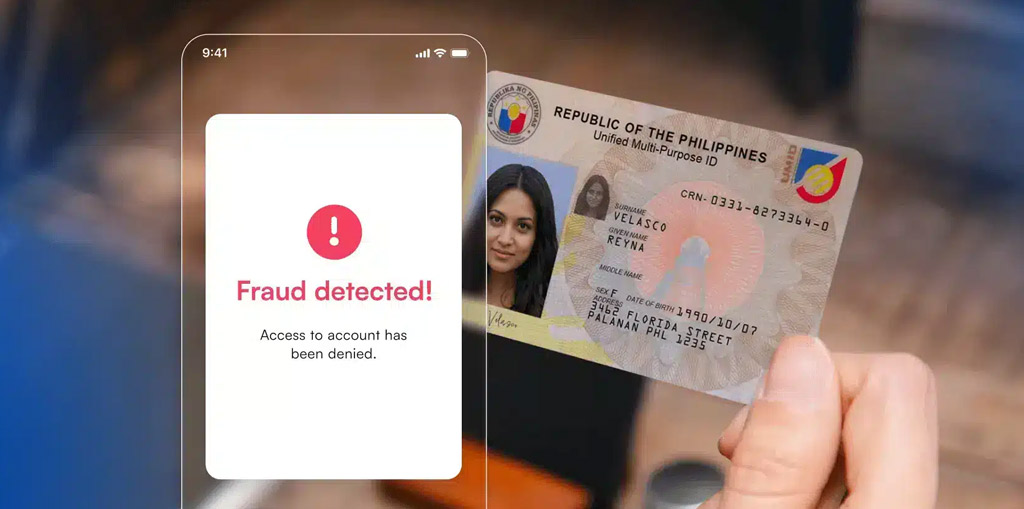
Identity & Account Fraud
A client discovered unfamiliar account activity involving personal information and unauthorized financial transactions. The incident appeared to involve the misuse of identifying information and access to online accounts. The review included account notifications, transaction records, login-related information, emails, messages, and other available documentation. The case assessment was centered on building a chronological record of the suspicious activity, identifying potentially unauthorized transactions, and organizing evidence that could support communication with relevant financial institutions and reporting authorities.